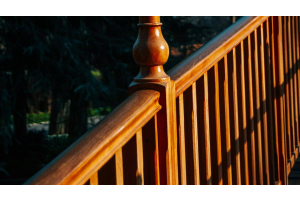
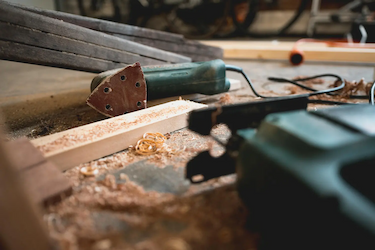
Decking, when installed correctly, looks the part and functions, providing homeowners with years of longevity. This can be emphasised further by fitting newel posts, spindles, and balustrades properly, which makes the difference between a deck that looks great and one that actually feels safe to use.
Looking to put the finishing touches on a deck in the most professional way? This guide walks you through each element step by step, so you can get the job done confidently.
What You'll Need to Begin
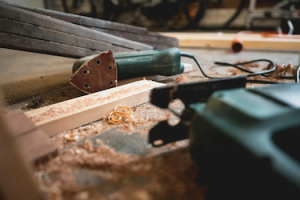
Before you pick up a drill, make sure you have the following to hand: 100mm and 150mm landscape screws, 8mm galvanised screws (40mm and 63mm), a cordless drill and bits (8mm wood bit, 35mm forstner bit), a spirit level, tape measure, pencil, and exterior wood glue or silicone.
How to Fit Newel Posts on Decking
Newel posts are the structural backbone of your balustrade system, so getting them right from the start is essential. Plan where they’ll go before laying your deck boards.
Topsoil is a massive help to West Midlands landscapers who are either upgrading a tired garden or starting from scratch.
If you’re looking to utilise topsoil and do so effectively, the team at Emerys have compiled this guide to help you use topsoil in a way that delivers the best results possible.
What Is Topsoil?
In essence, topsoil is the highest layer of ground, typically comprising the top 5cm to 20cm of earth. Building up over years, topsoil comes from weathering, decaying plant matter, and the work of earthworms and microorganisms, producing soil rich in organic material, nutrients, and materials.
The layers beneath it simply do not have the same biological activity or fertility.
This is key in West Midlands landscaping projects, where building and development work routinely strips topsoil away during construction, leaving compacted subsoil behind. That is what many homeowners are actually gardening in without realising it. Bringing in quality topsoil addresses that problem at
When it comes to selecting a good paving material for a driveway or garden, the ideal scenario is something that looks the part and does the job. Often, driveway spaces do one but not the other.
Two popular options are Indian stone and porcelain paving; they’re popular for good reason. However, many find themselves stuck when it comes to making that selection.
If you’re unsure which way to go, read on as we give you all the useful information you need.
Advantages of Indian Stone
Indian stone is a natural material quarried directly from the Indian subcontinent, one that has been a staple of garden design in the West Midlands for decades, known for its earthy tones, tactile surface, and organic character.
These are some of the main Indian Stone benefits:
Aesthetic character: Each slab is slightly different, contrasting to alternative identical options. In turn, this gives patios more identity and a look that gets better as time goes on.
Fantastic value: Generally speaking, Indian stone sets
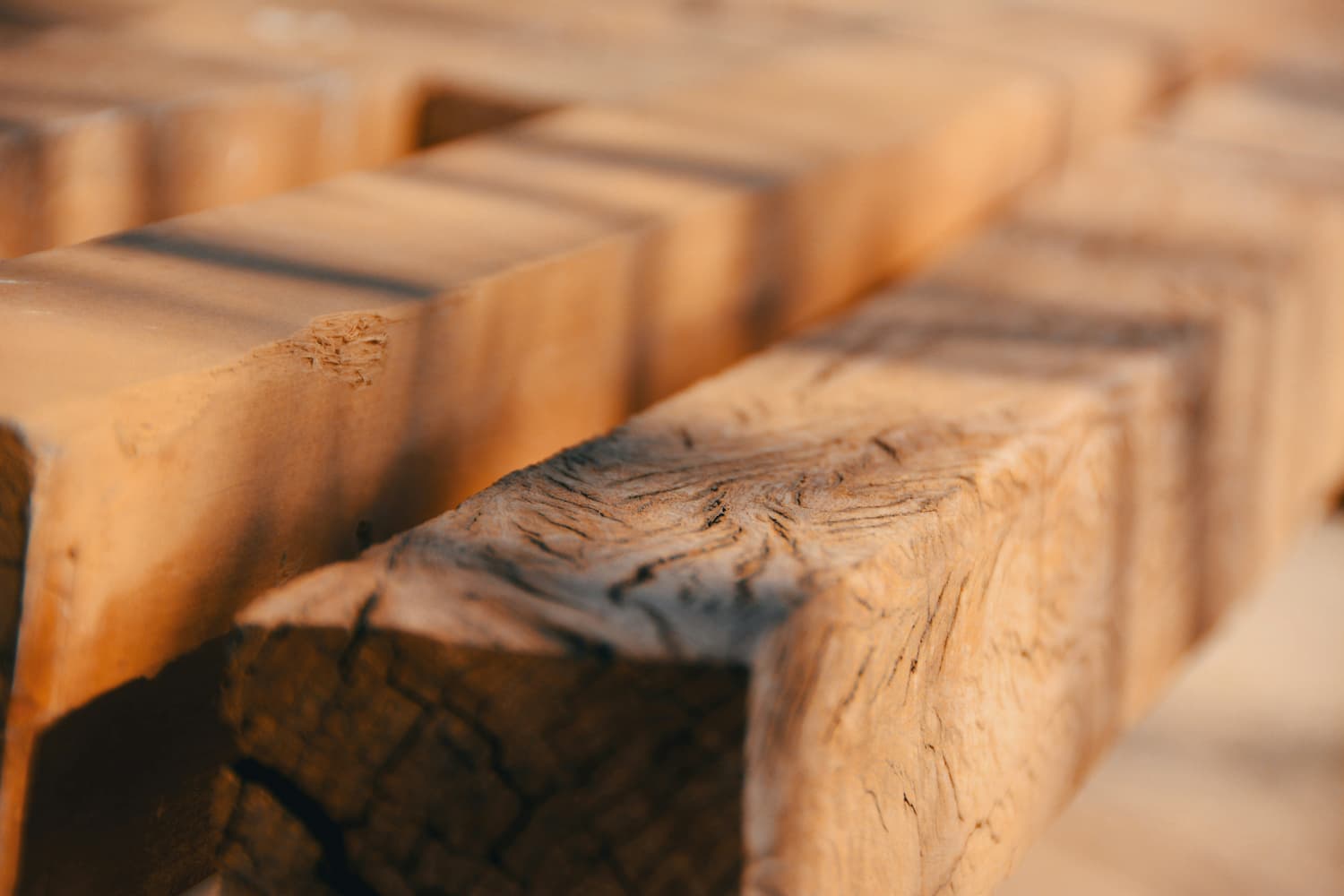
Have you ever purchased timber with a green tinge? That means you’ve already bought tanalised timber, which is wood pressure-treated with Tanalith E, a preservative forcing protective chemicals deep into the grain to guard against rot, insects, and fungi.
It’s a brilliant choice for outdoor timber in the UK. Here’s why in a bit more detail…
What is Tanalised Timber?
Tanalised timber is softwood that has been treated to extend its lifespan outdoors; typically, the specific softwood is Scots pine or spruce.
When untreated timber is exposed to the Midlands' weather conditions, it will typically rot within a few years. Tanalised timber can last for decades.
It gets its name from Tanalith E, the preservative used in the process; it’s a copper-based compound that binds to the wood fibres and creates a hostile environment for the fungi and insects that can decay the wood.
Ever wondered what that green you see on fencing, decking, and structural posts is? That’s the Tanalith E, a.k.a the reason
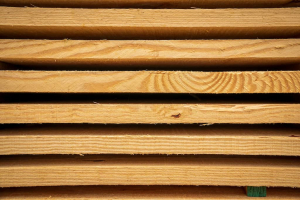
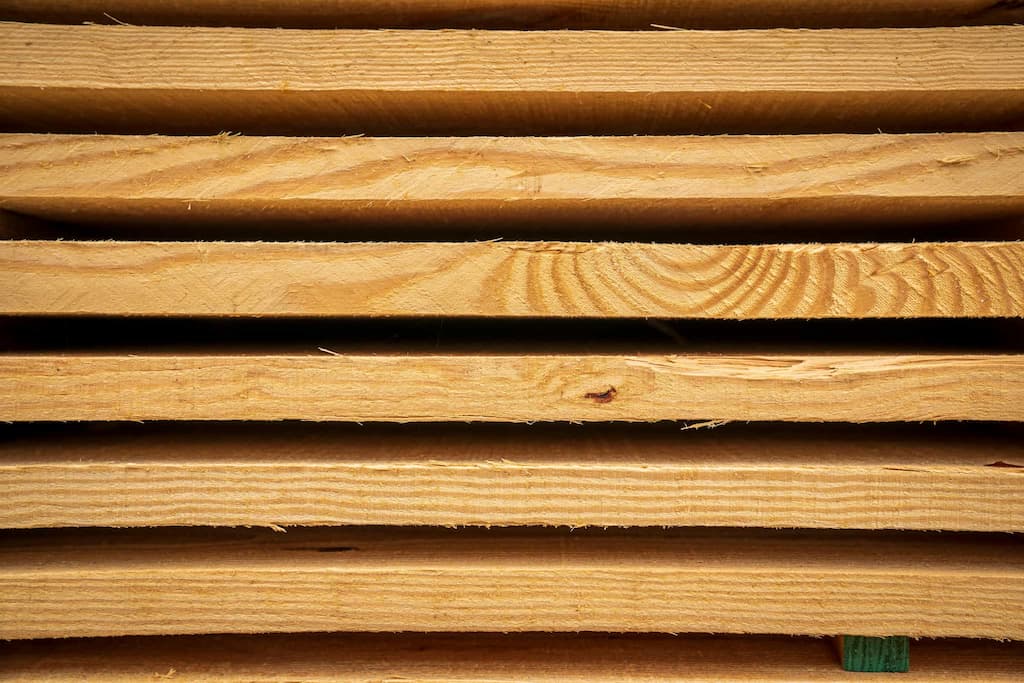
Sawn carcassing timber is rough-sawn structural softwood sold in nominal sizes, used as the hidden framework of buildings. Think roof rafters, floor joists, stud walls, and general structural framing. It's one of the most widely used materials on any UK building site, yet it's rarely seen in the finished structure because it lives behind plasterboard, under floorboards, and within roof voids.
Unlike finished timber products, carcassing isn't planed or smoothed. It comes straight from the sawmill with a rough surface and slight variation in dimensions. That's completely fine for East Midlands structural applications where the timber is concealed, because aesthetics don't matter here, strength and reliability do.
How Is It Different From Regularised Timber and PSE?
It helps to understand where sawn carcassing sits alongside other timber types:
Sawn Carcassing
Rough-sawn, sold to nominal dimensions (e.g. 47x150mm), with slight size variation between pieces. The go-to for most structural
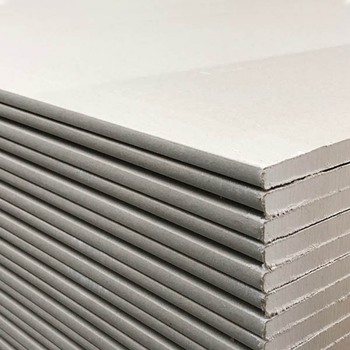
Plasterboard, also known as drywall or gypsum board, is a very popular material for ceilings and interior walls in modern construction.
It is a very versatile material that consists of a gypsum plaster core that sits between two layers of heavy paper, making it lightweight yet durable enough for the majority of residential and commercial jobs.
Ready to fit plasterboard for the first time? Read on, as we break down how to complete this task successfully.
Where is Plasterboard Used?
Plasterboard is commonly used throughout homes and buildings, in partition walls, ceiling linings, and for boxing in pipework. It is also very useful for creating feature walls and is a highly popular choice for new builds and renovations. Why? It’s cost-effective, fire-resistant, and relatively straightforward to install once you grasp the basics.
Understanding Different Types of Plasterboard
It’s important to remember that different types of plasterboard are created in different ways. For instance, standard
Bricks have been a fundamental part of construction here in the UK for centuries. From traditional homes to modern commercial buildings, the type of brick used plays a key role, not only in terms of structure and stability, but also in aesthetics and design requirements.
Builders and architects have a range of bricks to choose from, each of which comes with its own unique properties.
Understanding and differentiating between the different types of bricks will help you pick the right ones for your specific project, which is why the team here at Emerys have written this guide to give you a better idea of the different types of common bricks used in UK construction.
What are the Different Types of Bricks Used in the UK?
In the UK, the construction industry predominantly uses clay and concrete bricks.
Clay bricks are made from natural clay and are fired in kilns; they provide fantastic durability and thermal properties. These include facing bricks, which are a good option for exposed walls
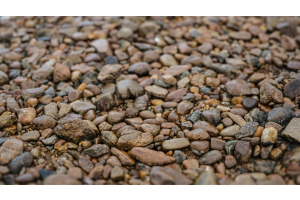
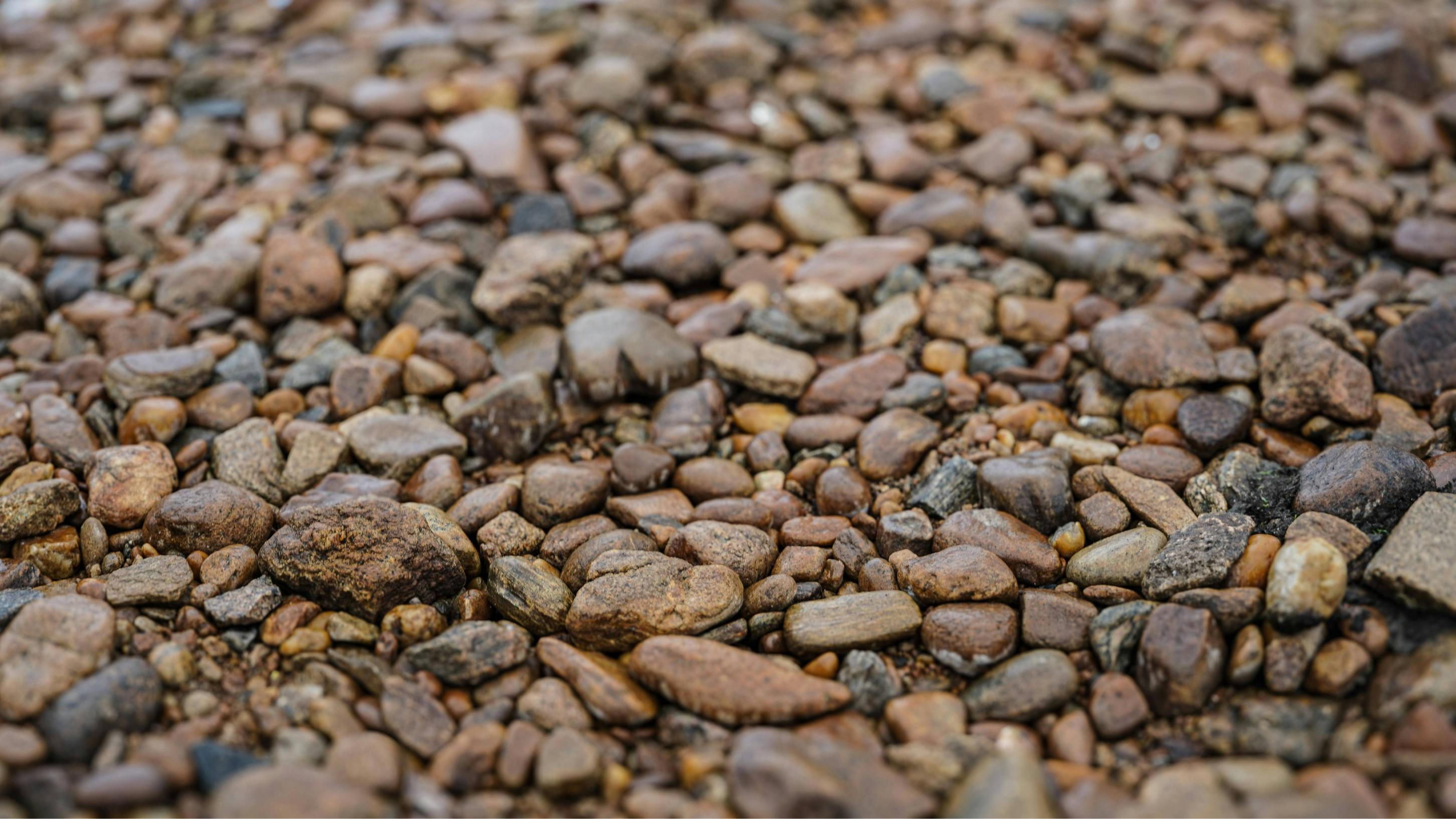
If you're looking to lay a driveway, gravel can be a good alternative to asphalt and concrete. It is a material that offers durability, aesthetic appeal, and effective drainage. With this quick guide, you can grasp an understanding as to how to lay a gravel driveway. From preparing the ground, installing the driveway, and choosing the right thickness for your project. We’ll cover all angles.
How Do You Prepare the Ground For a Gravel Driveway?
Before you lay a gravel driveway, make sure the ground is properly prepared. This will help you create a stable base, prevent sinking, improve drainage, and ensure the driveway lasts.
Steps for preparing the ground for a gravel driveway:
Clear and excavate the driveway, removing grass, topsoil, roots, and debris to a depth of approximately 6 to 12 inches.
Shape the area so that water drains away properly. You can achieve this by slightly sloping it to the sides or away from buildings.
Compact the soil firmly using a plate compactor or roller.